I am hereby convinced that landscape fabric is too much of a hassle to even bother with. It works only until there is enough humus (hew-mus, not hum-es. The latter is a delicious chickpea dip!)on top of it and then weeds start sprouting and their roots go into the fabric and it's all a mess. I learned this while trying to weed a garden bed that was left unattended for, who knows how long. The hardest part was trying to pierce this fabric to allow a few annuals to grow. PAIN IN ASS!
Landscape fabric is more or less intended to give certain plants room to grow, and then they would take up the mantle of weed fighting. Upon reading Lasagna Gardening (got it for .99..sooooo worth it anyway) I learned about using newspaper! Sweet! A cheap, biodegradable weed barrier that will break down and feed the soil! It works too!
Simply start saving newspapers. Place them around the bed in layers 5 pages thick. TADAA!! It's a bit trickier to work with until you get either mulch or water to hold it down, and it doesnt come in nice big sheets like other fabrics do. If you were doing this for a large bed you could purchase the end rolls of newspaper from a newspaper printer, and just put down 5 layers of it.
Look it up! Check it out!
Showing posts with label natural. Show all posts
Friday, June 8, 2012
Thursday, May 17, 2012
Eeeeeeeeeee!!!!
| For this: | Try this: |
|---|---|
| Air freshener | Simmer cinnamon and cloves |
| Aluminum spot remover | 2 tablespoons cream of tartar + 1 quart hot water |
| Ants | Red chili powder at point of entry |
| Bleach | Borax |
| Brass polish | Worcestershire sauce |
| Car battery corrosion | Baking soda + water |
| Chrome polish | Apple cider vinegar; then polish with baby oil |
| Cleaners (general household) | Baking soda |
| Coffee cup stain remover | Moist salt |
| Coffee pot stain | Vinegar |
| Copper cleaner | Lemon juice + salt |
| Decal remover | Soak in white vinegar |
| Dish detergent - grease cutter | 1/2 cup baking soda + usual amount of liquid detergent |
| Drain cleaner | Plunger followed by 1/2 cup baking soda + 1/2 cup of vinegar + 2 quarts boiling water |
| Fertilizer | Compost and vermicompost |
| Fiberglass stain remover | Baking soda paste |
| Flea & tick repellent | Scatter pine needles, fennel, rye or rosemary on pet's bed |
| Fleas (on pets) | Feed pet brewer's yeast, vitamin B or garlic tablets |
| Flies (insects) | Well watered pot of basil |
| Floor cleaner | 1 cup vinegar + 2 gallons water |
| Furniture polish | 1 tablespoon lemon oil in 1 pint of mineral oil |
| Garbage disposal deodorizers | Used lemons |
| Grease fire | Douse with baking soda |
| Grease removal | Borax on damp cloth |
| Handcleaner for paint/grease | Baby oil |
| Ink spot remover | Cold water + 1 tablespoon cream of tartar + 1 tablespoon lemon juice |
| Insects on plants | Soapy water on leaves, then rinse |
| Laundry detergent | Basic soap |
| Laundry pre-soak | Make paste of washing soda & water; apply to spots |
| Linoleum floor cleaner | 1 cup white vinegar + 2 gallons water |
| Mildew remover | Equal parts of vinegar and salt |
| Mosquito repellent | Burn citronella candles |
| Moth repellent | Cedar chips or dried lavendar enclosed in cotton sachets |
| Multi-Purpose Cleaner | Mix 1/2 cup ammonia, 1/3 cup vinegar, 1/4 cup baking soda in 1 gallon of warm water |
| Nematode (parasitic worm) repellent | Plant marigolds |
| Oil stain remover | White chalk rubbed into stain before laundering |
| Oven cleaner | 2 tablespoons liquid soap + 2 teaspoons borax + warm water |
| Paint; oil based/stain/spray | Water-based, non-aerosol paints |
| Paint brush softener | Hot vinegar |
| Perspiration spot remover | Baking soda |
| Pet odor remover | Cider vinegar |
| Porcelain cleaner | Make paste from baking soda & water; let set, rub clean and rinse |
| Refrigerator deodorizer | Open box baking soda |
| Roach repellent | Chopped bay leaves and cucumber skins |
| Rug/carpet cleaner | Club soda |
| Rust removal (clothing) | Lemon juice + salt + sunlight |
| Rusty bolt/nut removal | Carbonated beverage |
| Scorch mark removal | Grated onion |
| Scouring powder | Baking Soda |
| Shaving cream | Brush and shaving soap |
| Shoe polish | Banana peel |
| Silver polish | 1 quart warm water + 1 tablespoon baking soda + piece of aluminum foil + 1 tablespoon salt |
| Slug and snail repellent | Onion and marigold plants |
| Spot remover | Club soda, lemon juice, or salt |
| Stainless steel polish | Mineral oil |
| Toilet bowl cleaner | Paste of borax + lemon juice |
| Tub and tile cleaner | 1/4 cup baking soda + 1/2 cup white vinegar + warm water |
| Upholstery spot removal | Club soda |
| Water mark removal | Toothpaste |
| Water softener | 1/4 cup vinegar |
| Wine stain removal | Salt |
| Window cleaner | Use 1/2 cup of vinegar in 1 gallon of warm water |
| Wood polish | 3 parts olive oil + 1 part white vinegar; almond or olive oil (interior unvarnished wood only) |
Saturday, March 24, 2012
No Such Thing as a Low-Maintenance Garden?
BALONEY!
This apparently is the consensus between unknowing 'garden snobs' as I read it in The Scoop(?I dont remember?). In reality it's actually no such thing as a NO-maintenance garden.
There are quite a few ways to have a more or less low maintenance garden, you just have to do a lot of research first.
If you want the easiest way pass by until you get to the link at the bottom.
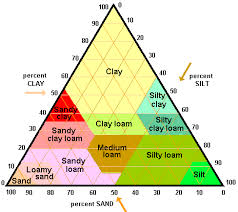
It all starts with the soil. Have your soil tested to see if it's missing something, and what type it is. You can also do the ribbon test. The three main types are clay, sand, and loam.
Sun/Shade? This is the one most people remember. It's right there on the tag and it's pretty easy right? Yes and no.
Low Maintenance Plants are the easiest if you are just starting out, or don't want to do a bunch of research. They are flexible and tough plants. In Minnesota prairie plants and natives are pretty much no-brainers.
This apparently is the consensus between unknowing 'garden snobs' as I read it in The Scoop(?I dont remember?). In reality it's actually no such thing as a NO-maintenance garden.
There are quite a few ways to have a more or less low maintenance garden, you just have to do a lot of research first.
If you want the easiest way pass by until you get to the link at the bottom.
It all starts with the soil. Have your soil tested to see if it's missing something, and what type it is. You can also do the ribbon test. The three main types are clay, sand, and loam.
- Clay soil retains moisture and organic matter far longer than the others, it also has less air space so some plants have a hard time growing and some tend to get rot in this kind of soil.
- Sandy soil holds on to moisture, and liquid fertilizer for only a short amount of time, but it is easier for some plants to root in.
- Loam is considered the happy medium and easiest for most plants.
- Moisture-loving plants with strong roots, low-no rot potential, and high fertility needs will do awesome in clay. Some of these are called 'clay busters'.
- Plants with tender roots that don't mind poor soils and like it drier will do well in sand. (ie.Rugosa Rose will actually do well in pure sand!).
- The majority of plants will do well in loam, unless they are super picky and want something else.
- Plant natives, they know how to deal with it all.
Sun/Shade? This is the one most people remember. It's right there on the tag and it's pretty easy right? Yes and no.
- Some plants will go just about every and anywhere. These are nice because as everything else grows in, your sunny spot might suddenly become very shady. Makes gardening design much easier.
- There is more than simple sun/shade. There's Full Sun, Hot Sun, Part Sun/Shade, Dappled Sun/Shade, Shade, Full Shade, and Deep Shade. AND IT MOVES! This is a pain cause if a plant is picky and it's put in the wrong spot it will get thin, leggy and dumb looking.
- Depending on the location of sun/shade the watering levels change. Full Sun/Hot Sun need more and Shade/Deep Shade need less, so you have to screw with your watering schedule at least the first year.
- This step helps to encourage more bio-diversity which also lessens the chance of a huge infestation of pests/diseases.
- Some plants help by simply attracting our friends the beneficial predator bugs, which eat the bad bugs. Learn what these guys look like.
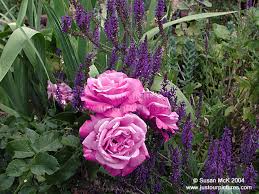
- Look how pretty roses and lavender look together (right). Lavender helps by confusing the scent of smell for many bugs, plus they look gorgeous in a bouquet together! Lavender helps a lot inside the house as well.
- If a problem is bad enough you can also try trap crops, or just plant something else.
- Get a good pest book. This will help you know who this pest is and the best way to control it. (No such thing as eradication)
- Get a hand lens. Some of those darn buggies are tiny!
- Do NOT use pesticides unless there is a major problem! (I know they are an easy way to kill things NOW, but if you put in the work beforehand you shouldn't have to) Once you start using them you can start on a treadmill which will never stop needing pesticides.
- Don't till if you don't need to. This can bring up old weed seeds to the surface. Instead check out Lasagna Gardening.
- Planting clumps close together makes your garden fill out faster and shades out weeds, no room to grow!
- I like using a bio-degradable 'landscape fabric', or 5 layers of newspaper. The weed barrier the newspaper provides gives the plants a head start on any weedy bullies. When it breaks down it's good for the soil, hence good for the plant.
- Spend at least 10 minutes a day walking through, day dreaming, and enjoying your work. This gives you time to notice any tiny problems before they become BIG problems. Besides... why go through all that work if you are not going to enjoy it? Then you might as well get plastic flamingos or a maintenance service.
Low Maintenance Plants are the easiest if you are just starting out, or don't want to do a bunch of research. They are flexible and tough plants. In Minnesota prairie plants and natives are pretty much no-brainers.
- This list is from the U of MN Extension. Holy crap it is huge!
- I'd check this book out. I have her perennial gardening book and I really like it.
Toilet Paper Seed Pots
I actually did this today. Super easy and it makes you less unhappy when your spouse/kids forget to change the roll.
Simply cut a TP roll in half length-wise and cut 4-1/2" tabs on the bottom and fold in like you would for a box.
Fill them up with a germination mix and when you start getting true leaves just plant the whole tube into the ground or pot or wherever.
These are bio-degradable and as they de-grade they'll eventually feed the soil for the next year!
There are probably many sites with different ways of doing it and with pictures, but I found it at this website.
Simply cut a TP roll in half length-wise and cut 4-1/2" tabs on the bottom and fold in like you would for a box.
Fill them up with a germination mix and when you start getting true leaves just plant the whole tube into the ground or pot or wherever.
These are bio-degradable and as they de-grade they'll eventually feed the soil for the next year!
There are probably many sites with different ways of doing it and with pictures, but I found it at this website.
Thursday, March 15, 2012
Friday, March 9, 2012
Big ole Bad Bug Bashing: Plants
Bugs are annoying. I'm not talking all bugs, but the ones that bite us, our pets, and our favored plants.
What we hate worse.. is Chemicals! Smelly, sticky, toxic, not-good-for-anything chemicals. Nobody likes wearing big spray, or the smell of insecticides. They can be expensive, and sometimes just don't work.
This is part of a series of organic bug controls.
There is no such things as 100% bug control.
Repelling bugs is the first step toward a happier, less Bad Bug-ier existence. The best way to do that is Biodiversity! So when you are planting your garden, add in some of these other plants to help deter the average garden pest. Sadly I have yet to find anything that deters children except things with thorns.
|
Flies
|
Fleas
|
Cats
|
Mosquitoes
|
Spiders
|
Moths
|
|
Sweet Basil
|
Tansy
|
Rosemary
|
Rosemary
|
Mint
|
Tansy
|
|
Bay Leaf
|
Bay Leaf
|
Lemon grass
|
Sweet Basil
|
Citrus
|
Sweet Woodruff
|
|
Tansy
|
Lavender
|
Rue
|
Lavender
|
Lavender
|
Bay Leaf
|
|
Pennyroyal
|
Pennyroyal
|
Wormwood
|
Pennyroyal
|
|
Lavender
|
|
Artemisia
|
Garlic
|
|
Citronella
|
|
Artemisia
|
|
Rue
|
Mint
|
|
Lemon grass
|
|
Rue
|
|
|
Rosemary
|
|
Marigold
|
|
Thyme
|
|
|
Chrysanthemum
|
|
Eucalyptus
|
|
Wormwood
|
|
|
Fennel
|
|
Garlic
|
|
|
|
|
Rue
|
|
Catnip
|
|
|
|
|
|
|
Ageratum
|
|
|
|
|
|
|
Horsemint
|
|
|
|
|
|
|
|
|
|
|
Ants
|
Mice
|
Rabbits
|
Slugs/Snail
|
Deer
|
General
|
|
|
Tansy
|
Tansy
|
Lavender
|
Sage
|
Marigold
|
Henbit
|
|
|
Sweet Woodruff
|
Bay Leaf
|
Garlic
|
Artemisia
|
Lavender
|
Aster
|
|
|
Mint (any)
|
Mint
|
Allium
|
Garlic
|
Sage
|
Geranium
|
|
|
Catnip
|
Catnip
|
Wormwood
|
rosemary
|
Basil
|
Calendula
|
|
|
|
Castor Bean
|
|
Anise
|
Wormwood
|
Chrysanthemum
|
|
|
|
Lavender
|
|
|
|
Onion/Allium
|
|
|
|
Wormwood
|
|
|
|
Wormwood
|
|
|
|
|
|
|
|
Garlic
|
|
|
|
|
|
|
|
Nasturtium
|
|
|
|
|
|
|
|
|
|
|
|
|
|
|
|
|
|
|
|
|
|
|
|
|
|
|
|
|
|
|
|
|
|
|
Aphids
|
Caterpillars
|
Hoppers
|
Jap Beetles
|
|
|
|
Chives/Allium
|
|
Geraniums
|
Garlic
|
|
|
|
Basil
|
|
Petunia
|
Catnip
|
|
|
|
Catnip
|
|
|
Chives
|
|
|
|
Mint
|
|
|
Chrysanthemum
|
|
|
|
Yarrow
|
|
|
4 o clock kills
|
|
|
|
Garlic
|
|
|
Geranium
|
|
|
|
Dill
|
|
|
Larkspur
|
|
|
|
Petunia
|
|
|
Tansy
|
|
|
|
Anise
|
|
|
Rue
|
|
|
|
Coriander
|
|
|
|
|
|
|
|
|
|
|
|
|
|
|
|
|
|
|
|
|
|
|
|
|
|
|
Subscribe to:
Posts (Atom)